Heritage brands carry something modern brands often struggle to replicate: authenticity. But history alone does not guarantee relevance. Bringing historic brands back to life requires a careful balance between preserving legacy and shaping a story that resonates with today’s consumers.
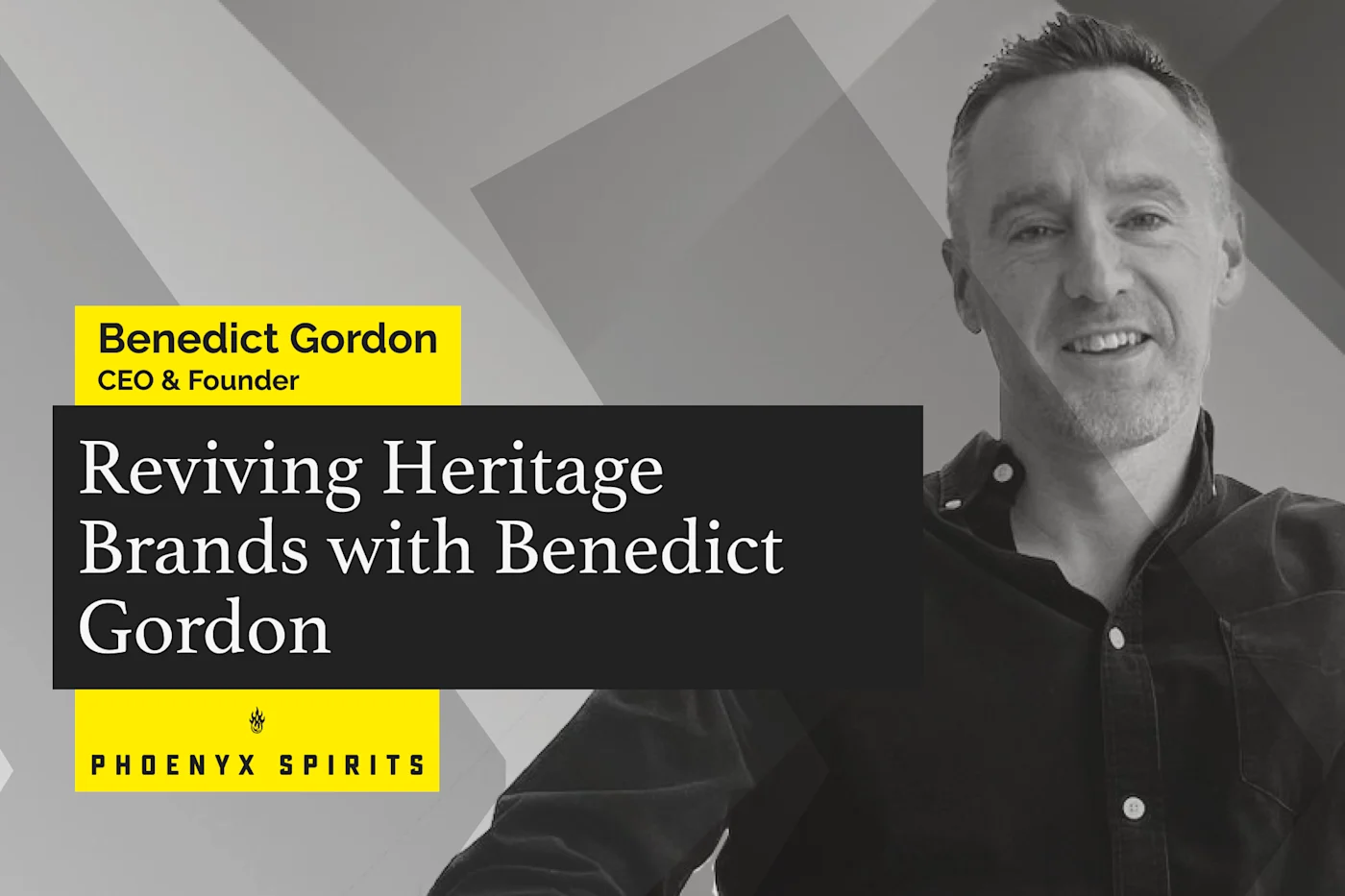
Benedict Gordon, co-founder of Phoenyx Spirits, has built his career around precisely that challenge. Phoenyx Spirits focuses on acquiring and revitalising historic spirits brands, positioning them as super-premium category disruptors.
The company’s portfolio includes Khoosh, an exotic orange bitter liqueur dating back to 1881, and Dr. Hostetter’s, an original American bitter established in 1853.
In our conversation, Benedict shared his perspective on the craft of brand revival, the importance of cultural insight, and the role strategic relationships play in building successful premium brands.
The Art of Reviving Heritage Brands
For Benedict, reviving heritage brands begins with respecting their original story.
“When it comes to heritage, it’s about respecting the story that’s already there. The key is not to reinvent, but to reframe that story so it resonates with today’s audience.”
Historic brands carry a built-in authenticity that newly created brands often lack. The challenge lies in ensuring that this history enriches the brand rather than anchoring it in the past.
“Heritage brands have an authenticity that new brands often can’t replicate, but that history needs to be told in a way that’s relevant.”
Storytelling becomes the bridge between past and present.
For Benedict, the goal is to ensure the brand’s history enhances the consumer experience rather than overwhelming it.
“The challenge is finding that sweet spot where the brand’s history enriches the product experience rather than weighing it down.”
When done correctly, heritage becomes a powerful asset.
“It’s about making that history feel like a privilege for today’s consumers.”
Cultural Insight and Global Relevance
Benedict’s international experience has reinforced the importance of cultural understanding when building global brands.
“Understanding local culture is essential when you’re building a brand that transcends borders.”
Successful international brands must do more than translate messaging. They must connect with local mindsets and consumer behaviour.
“It’s not enough to simply translate your message—you need to connect with the local mindset.”
Different markets often respond to brand narratives in very different ways.
“In Asia there’s a much stronger sense of collective identity in consumer choices. Brands that succeed here are those that respect and tap into that sense of community, rather than pushing purely individualistic ideals.”
Despite these cultural differences, the essence of the brand must remain consistent.
“A successful global brand feels relevant wherever it’s seen, yet it doesn’t lose the core elements that make it recognisable.”
The Power of Strategic Connections
Alongside brand storytelling and cultural awareness, Benedict highlights the importance of strategic relationships within the spirits industry.
“Building the right relationships is fundamental in this industry.”
From suppliers to distributors and retail buyers, the right network can significantly amplify a brand’s reach.
“Whether it’s with suppliers, distributors, or top-tier retail accounts, your network will amplify your brand’s reach and impact.”
Breaking into high-profile venues or premium retail environments often depends on these connections.
Benedict recalls a recent example involving a notoriously difficult buyer.
“He’s notoriously hard to get in front of,” Benedict laughs, “but he’s exactly the kind of gatekeeper you need if you want to break into high-profile venues.”
For Benedict, success is not about pushing the brand everywhere.
“It’s not always about pushing your brand at every door but knowing where the brand will truly resonate and focusing your efforts there.”
The Future of Heritage Brands
Looking ahead, Benedict believes heritage brands are well positioned to succeed in an increasingly authenticity-driven market.
“There’s a massive opportunity for heritage brands to shine as consumers crave authenticity more than ever.”
However, heritage alone is not enough.
Brands must remain agile and evolve their narrative as consumer expectations shift.
“But they need to be nimble, ready to adjust their narrative without diluting what makes them special.”
For professionals entering the brand strategy field, Benedict’s advice is simple.
“The brands that succeed are those that can balance authenticity with relevance.”
A compelling brand story remains essential.
“It’s not enough to simply have a story—you need to know how to tell it in a way that captivates today’s audience.”
Conclusion
Benedict Gordon’s work demonstrates how heritage brands can thrive in modern markets when their stories are carefully reframed for contemporary audiences.
Through thoughtful storytelling, cultural insight and strategic relationships, Phoenyx Spirits is preserving historic brands while positioning them for a new generation of consumers.
For brand strategists and business leaders alike, his approach offers a powerful reminder that the past can be one of the most valuable assets when shaping the future.
About Benedict Gordon
As Co-Founder of Phoenyx Spirits, Benedict Gordon leads a spirits company focused on reviving historic brands and positioning them as super-premium category disruptors.
His career spans more than a decade in brand strategy and leadership, including senior roles at Superunion and Prophet.
His work includes the repositioning of historic spirits such as Khoosh and Dr. Hostetter’s, blending heritage storytelling with contemporary brand strategy to shape the modern luxury spirits landscape.